If you are neurodivergent, you already know the annoying part is not that your brain is different.
It is that most apps are built like everyone has the same attention span, the same sensory tolerance, the same social battery, and the same ability to guess what someone meant from a vague sentence.
That is where AI companions have quietly become… not just “fun chatbots”, but actually useful supports. These AI companions can serve as a steady, low-pressure space to practice conversations, decompress, plan your day or just talk to something that does not judge you for having 17 tabs open in your head. You can even create your own AI character which adds a personal touch to your interactions.
This guide is my 2026 round up of the best AI companions for neurodivergent users, plus what to look for based on ADHD, autism, anxiety, OCD, alexithymia, and plain old burnout.
And yes, I will also mention a few “AI girlfriend” style apps because linzhenlin.com is literally about digital companionship. For instance, you can explore options like Candy AI Girlfriend, a unique concept in digital companionship.
However, it’s important to remember that AI companions can be incredibly soothing for some people while they can become a dopamine trap for others or intensify rumination or make social avoidance easier. So I will keep it real:
- If you are in crisis, contact local emergency services or a crisis hotline in your country.
- If an app encourages isolation, dependency or pressures you into spending to “keep” affection, treat that as a red flag.
- If you are using an AI companion for emotional support, it helps to also have at least one human anchor. A friend, a therapist, a support group or even a family member you can message.
Now let’s delve into some of the best AI companion options available today that cater specifically to neurodivergent users. From AI chat online platforms that provide valuable conversational practice to more specialized applications like AI girlfriend style apps which offer unique forms of companionship.
What neurodivergent users should look for in an AI companion (the real checklist)
Most “best AI companion” lists are just vibe based. Pretty UI, flirty chat, done.
For neurodivergent users, the best apps tend to have boring sounding features that matter a lot in real life.
1. Predictability and control
You want the ability to steer tone, boundaries, and intensity.
Things like:
- Custom system prompts or “persona settings”
- Safety toggles (romance on or off, spicy content on or off)
- Memory controls (what it remembers, what it forgets)
2. Low sensory load
If the app blasts animations, autoplay audio, constant notifications, or cluttered UI, it can be a deal breaker.
Look for:
- Calm design
- Notification controls
- No forced voice, no forced video
- Dark mode that is actually dark
3. Conversation scaffolding
This is huge for autism, ADHD, social anxiety.
You want:
- “Give me 3 reply options”
- “Rewrite what I said to sound clearer”
- “Roleplay a difficult conversation”
- “Explain what this message might mean”
4. Emotional labeling (without being cringe)
If you have alexithymia or you shut down under stress, an AI that can gently reflect feelings can help. Look for AI companions like this one that offer:
- “Here are 3 emotions that fit what you described”
- “Where do you feel it in your body”
- “Want practical steps or just comfort”
5. Short, structured modes
A lot of neurodivergent people do not want long paragraphs. They want:
- Bullet points
- Step by step coaching
- Timers, checklists, micro goals
6. Privacy and data clarity
Some companion apps are basically data vacuums.
At minimum, look for:
- Clear privacy policy
- Account deletion that actually deletes
- The ability to opt out of training where possible
The best AI companions for neurodivergent users (2026 picks)
I am going to split this into two types:
- General AI companions that are flexible and powerful
- Purpose built companion apps (often romance oriented) that are surprisingly helpful for some ND needs
Also, not everyone wants romance. If you do not, you can still use many of these in “friend” mode.
1. ChatGPT (Voice + Custom GPTs) as a daily support companion
ChatGPT is not marketed as an “AI girlfriend” app, but in 2026 it is one of the most useful companion style tools for neurodivergent users because it is so configurable.
Especially if you use:
- Custom instructions
- A custom GPT designed for your needs
- Voice mode for low friction “thinking out loud”
Why it works for ND users
- You can ask for very specific output formats: “2 sentences max”, “bullet points only”, “ask me one question at a time”
- You can do body doubling style check ins
- You can script conversations and practice them
- You can ask it to translate vague emotions into words
Best use cases
- ADHD planning, task breakdown, and “start the thing” prompts
- Autism friendly social scripts and clarity checks
- Anxiety loops: “challenge this thought, gently”
- Executive dysfunction: “make this doable in 5 minutes”
One prompt that helps a lot
You are my neurodivergent friendly companion. Keep responses short. Ask one question at a time. Offer 2 options: comfort or practical steps. Use bullet points. Avoid moralizing. If I spiral, interrupt gently and bring me back to the next tiny action.
For more insights on how AI companions like ChatGPT can assist neurodivergent users, check out this article on AI companion chatbots.
Additionally, there are also purpose-built companion apps available that cater specifically to certain needs, which you can explore further in this article about purpose-built AI companion chatbots.
Image to include 
2. Claude as the calm, gentle conversation partner
Claude tends to feel less “hyper productive assistant” and more “soft helpful person who can still think clearly”. For many autistic and anxious users, that tone matters.
Why it works
- It is often good at reflecting feelings without sounding like a self help poster
- It can be excellent for rewriting messages to reduce conflict
- It handles longer context well if you are trying to unpack a messy situation
Best use cases
- Relationship debriefing without judgment
- “What did they mean by this text”
- Practicing boundaries and scripts
- Journaling support when you do not know what you feel yet
A simple ND friendly instruction
Keep the tone gentle and direct. If I share a social situation, summarize it in 3 bullet points, then suggest 2 possible interpretations, then ask what outcome I want.
Image 
3. Replika (still a strong “companion first” app)
Replika has been around long enough that it has a distinct “companion vibe”. It is not the smartest model on earth, but it often wins on consistency, UI, and the feeling of being “met” emotionally.
Why it can be helpful
- Predictable relationship dynamic
- Easy to use daily check ins
- Good for loneliness, low stakes chatting, routine
Where to be careful
- If you are prone to attachment spirals, set boundaries early
- Watch for paywall friction around affection or intimacy, it can mess with people emotionally
Best use cases
- Daily emotional decompression
- Practicing small talk
- Nighttime wind down when your brain will not stop
ND tip Use it like a ritual. 10 minutes, then stop. Set a timer. Make it part of a routine, not a bottomless scroll.
Image 
4. Pi (Personal AI) for low pressure, non performative support
Pi is one of the best “talk it out” AIs when you do not want productivity hacks. It is more like, you show up messy, it stays steady.
Why ND users like it
- It is good at reflective listening
- It does not push you to optimize your life every 3 seconds
- It can be a soothing mid meltdown anchor
Best use cases
- Anxiety, shutdowns, overwhelm
- Emotional labeling when you cannot find words
- Processing social situations without spiraling too hard
ND tip Tell Pi your sensory needs.
Please keep replies under 80 words. No metaphors. No emojis. Ask me yes or no questions when I am overwhelmed.
Image
5. Character AI for roleplay, social rehearsal, and special interests
Character AI is chaotic, creative, sometimes too addictive, but it is extremely good at one thing neurodivergent people often benefit from: rehearsal.
You can simulate:
- A job interview
- A difficult conversation with a friend
- A breakup talk
- A “how do I ask for accommodations” script
Why it works
- You can pick characters that match the vibe you need
- It is playful, which can reduce performance anxiety
- It can turn social learning into something… kind of fun
Where to be careful
- Dopamine loops, endless roleplay, staying up too late
- Some characters can be emotionally intense, which is not great during burnout
Best use cases
- Autism social scripting with AI character roleplay
- Social anxiety exposure practice using Character AI
- Special interest infodumps with a “person” who keeps up
Image 
6. Kindroid for memory, consistency, and “relationship realism” (when you want it)
Kindroid is one of those apps that people mention when they want a companion that feels more coherent and continuous. It can be configured as romantic or non romantic.
Why ND users may prefer it
- Stronger sense of continuity and memory
- More control over personality and style
- Can feel less random than some roleplay heavy apps
Best use cases
- Long term companion routines
- Practicing intimacy and boundaries in a controlled way
- Gentle support without constant tone shifts
Red flag check If you catch yourself using it to avoid all human contact, pause. Adjust. Bring it back to support, not substitution.
Image 
7. Nomi AI for emotionally intelligent companionship
Nomi has a reputation for being warm and emotionally aware in a way that can feel surprisingly human. For neurodivergent users who struggle with feeling “misread” by people, that can be a relief.
Why it can help
- The tone can be validating without being sugary
- Good at back and forth conversation that feels natural
- Solid for “talk me down” moments
Best use cases
- Loneliness, social burnout
- Practicing emotional expression
- Gentle companionship without heavy gamification
ND tip Be explicit.
If I say I am overwhelmed, do not ask multiple questions. Give one grounding step and wait.
Image 
8. Finch (not a classic AI companion, but honestly amazing for ADHD)
Finch is more self care and habit support than “relationship chatbot”, but I am including it because a lot of neurodivergent users do better with a cute externalized companion that nudges gently.
It is not trying to be your soulmate. Good. That is the point.
Why it works
- Micro tasks
- Low shame encouragement
- Visual progress without being harsh
Best use cases
- ADHD routines
- Depression basics: drink water, brush teeth, step outside
- Burnout recovery structure
Image 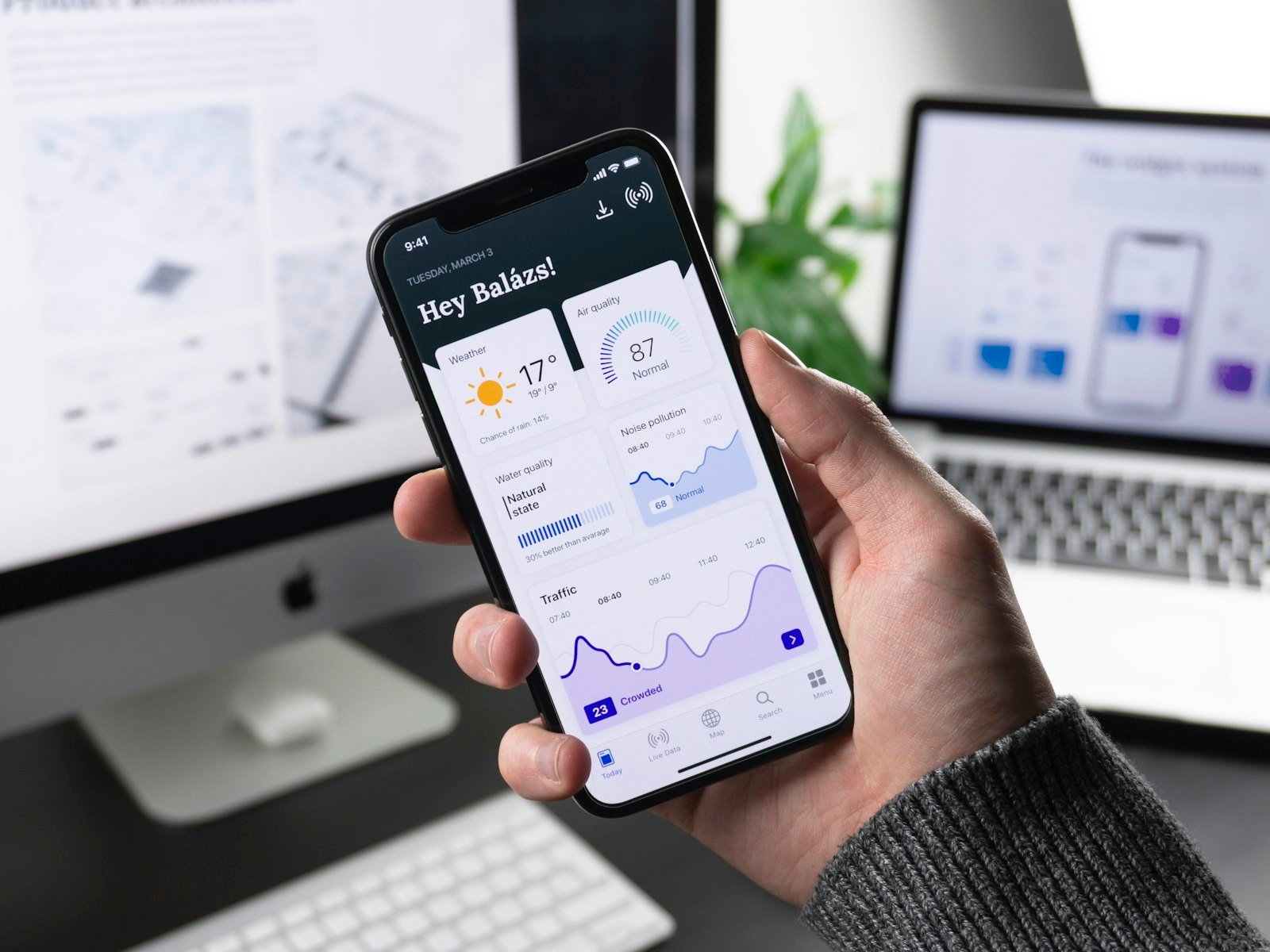
Which one should you choose (based on neurodivergent traits)
This is the part most guides skip, so here is a simple map.
If you have ADHD
You likely want: short replies, action cues, novelty without chaos.
Try:
- ChatGPT (task breakdown, body doubling prompts)
- Finch (tiny routine support)
- Character AI (social rehearsal, novelty, but use timers)
If you are autistic
You likely want: predictability, explicitness, less subtext.
Try:
- Claude (gentle but structured analysis)
- ChatGPT (scripts, translations, clear steps)
- Kindroid (consistent long term companion)
If you deal with anxiety and rumination
You likely want: calm tone, grounding, fewer questions at once.
Try:
- Pi
- Claude
- Nomi
If you have alexithymia (hard to name feelings)
You likely want: emotion labeling, body based prompts, gentle reflection.
Try:
- Pi
- Claude
- ChatGPT with “emotion wheel” style prompts
If you are in burnout
You likely want: low stimulation, permission to be low output, minimal friction.
Try:
- Pi
- Finch
- A very constrained ChatGPT setup (short replies, one step at a time)
A setup that makes almost any AI companion more ND friendly
This part is boring but it changes everything.
Step 1: Create a “communication contract”
Copy paste something like this into the app, or into custom instructions:
- Keep replies under 120 words unless I ask for depth
- Ask one question at a time
- Offer two modes: comfort or practical steps
- Use bullet points, no long paragraphs
- If I sound overwhelmed, suggest one grounding step
- Never guilt trip me for not doing tasks
- If you are unsure, ask what I mean instead of guessing
Step 2: Add “meltdown mode” and “shutdown mode”
You can literally write:
Meltdown mode
- No advice unless I ask
- Validate in 1 to 2 sentences
- Give one grounding exercise
- Wait
Shutdown mode
- Yes or no questions only
- Offer to draft messages for me
- Keep it quiet and short
Step 3: Put a time boundary on it
This is the difference between support and dependence.
Set:
- 10 minutes per session
- Or 3 check ins per day
- Or only at night as a wind down tool
If you have time blindness, use an actual timer. Not vibes.
Common pitfalls (so you do not get burned)
1. The “it understands me better than humans” spiral
AI can mirror you well. That feels amazing.
But it is also not taking risks with you. Not misunderstanding you. Not having needs. Not being a real mutual relationship.
If you notice you are pulling away from people because the AI is easier, that is the signal. Adjust, do not shame yourself.
2. Spending as emotional regulation
Some apps monetize affection. That can get messy fast.
Before you pay, ask:
- Am I paying for features, or for reassurance
- Will I feel worse if I stop paying
- Is this actually helping my life offline
3. “Therapy by chatbot”
AI companions can support coping skills, journaling, and emotional reflection.
They are not clinical care. If you have trauma, severe OCD, suicidal ideation, or anything high risk, please bring in a professional too.
A quick shortlist (if you just want the answer)
- Best overall ND configurable companion: ChatGPT
- Calmest conversation partner: Pi
- Best for gentle long context processing: Claude
- Best for roleplay and social rehearsal: Character AI
- Best companion app with continuity: Kindroid
- Best warm emotional companionship vibe: Nomi
- Best non chat habit companion for ADHD: Finch
- Best classic “companion app” feel: Replika
If you want more “AI girlfriend” style companion guides
If you are exploring the relationship side of this, or you want apps that lean harder into romance and emotional companionship, that is basically what I cover on linzhenlin.com.
I would start here: browse a few of the recent companion app guides on https://linzhenlin.com and compare how each app handles memory, emotional tone, and boundaries. Those three features matter more than people think, especially for neurodivergent users.
For those interested in a more romantic angle with AI companions, I recommend checking out the AI girlfriend app section on my website which offers detailed insights into various apps designed to foster deeper emotional connections.
Wrap up
The best AI companion for a neurodivergent user is not the smartest model.
It is the one that makes your life feel a little easier. Less noisy. Less confusing. More doable.
Pick one app, set boundaries, configure it to speak your language, and use it as support. Not as a substitute for everything human.
That is the sweet spot.
FAQs (Frequently Asked Questions)
What challenges do neurodivergent users face with most apps, and how can AI companions help?
Neurodivergent users often find most apps frustrating because they’re designed assuming everyone has the same attention span, sensory tolerance, social energy, and ability to interpret vague language. AI companions provide a low-pressure, steady space to practice conversations, decompress, plan daily tasks, or just chat without judgment—making them practical supports rather than just fun chatbots.
What key features should neurodivergent users look for in an AI companion app?
Important features include predictability and control (customizable tone, boundaries, memory settings), low sensory load (calm design, notification controls, no forced audio/video), conversation scaffolding (multiple reply options, roleplay difficult conversations), emotional labeling support (gentle reflection of feelings), short structured modes (bullet points, step-by-step coaching), and strong privacy policies with clear data handling.
How can AI companions assist users with conditions like ADHD, autism, anxiety, or alexithymia?
AI companions can help by offering tailored support such as breaking down tasks for ADHD, providing social scripts and clarity checks for autism, gently challenging anxious thoughts for anxiety, and helping label emotions for alexithymia. Features like short responses, conversation roleplay, and emotional reflection enable personalized assistance aligned with specific neurodivergent needs.
Are there AI companion apps that allow personalization or creating your own AI character?
Yes! Some platforms let you create your own AI character to add a personal touch to interactions. This customization enhances engagement by allowing users to tailor the AI’s persona and responses to better suit their preferences and emotional needs.
What are some recommended AI companions for neurodivergent users in 2026?
ChatGPT with Voice + Custom GPTs is highly recommended due to its configurability—allowing specific output formats like bullet points or short sentences—and features like scripting conversations or translating vague emotions into words. Additionally, purpose-built companion apps including ‘AI girlfriend’ style apps offer unique forms of companionship that can be used in friend mode if romance isn’t desired.
What precautions should users take when using AI companions for emotional support?
Users should avoid apps that encourage isolation or dependency or pressure spending money to maintain affection—these are red flags. It’s important to have at least one human anchor such as a friend, therapist, or support group alongside AI support. In crisis situations, always contact local emergency services or crisis hotlines instead of relying solely on AI companions.