
Imagine a world where technology not only responds to commands but also resonates with your feelings. In 2026, the landscape of artificial intelligence has evolved dramatically. Now, systems can interpret human emotions with a level of accuracy and nuance previously thought impossible. This shift marks a significant milestone in how we interact with machines.
Researchers, like Baron-Cohen, have dedicated years to exploring the connection between cold data and the warmth of human sentiment. Today’s advanced models are designed to process complex emotional inputs, creating responses that feel more natural and empathetic. This guide will delve into the best technologies available, ensuring users understand how these sophisticated tools function in everyday life.
As we analyze these systems, we can appreciate the evolution of digital interaction and the future of emotional intelligence. The ability of machines to recognize feelings will redefine user experiences, making our connections with technology more profound than ever.
Key Takeaways
- AI systems in 2026 can interpret human feelings with unprecedented accuracy.
- Research continues to bridge the gap between technology and human emotions.
- Modern models provide more natural and empathetic responses.
- This guide explores the best technologies available today.
- Understanding these systems helps appreciate the evolution of digital interaction.
- The recognition of emotions will shape future user experiences.
Introduction to Emotionally Intelligent AI
Picture a time when technology can genuinely sense and respond to human emotions. This emerging field, known as Emotion AI or affective computing, is revolutionizing how machines interact with us. By recognizing and interpreting the complex spectrum of feelings, these systems enhance user experiences significantly.
According to research by Baron-Cohen, understanding emotional states is crucial for improving mental health support. It also fosters more intuitive digital interactions. These intelligent systems utilize advanced models to decode subtle cues, which were often invisible to traditional computational algorithms.
By prioritizing emotional intelligence, developers aim to create machines that provide support akin to genuine human empathy. The integration of these capabilities into modern technology ensures that digital platforms adapt to the specific needs of diverse users. As these systems evolve, they redefine the boundaries of personalized and responsive computing.
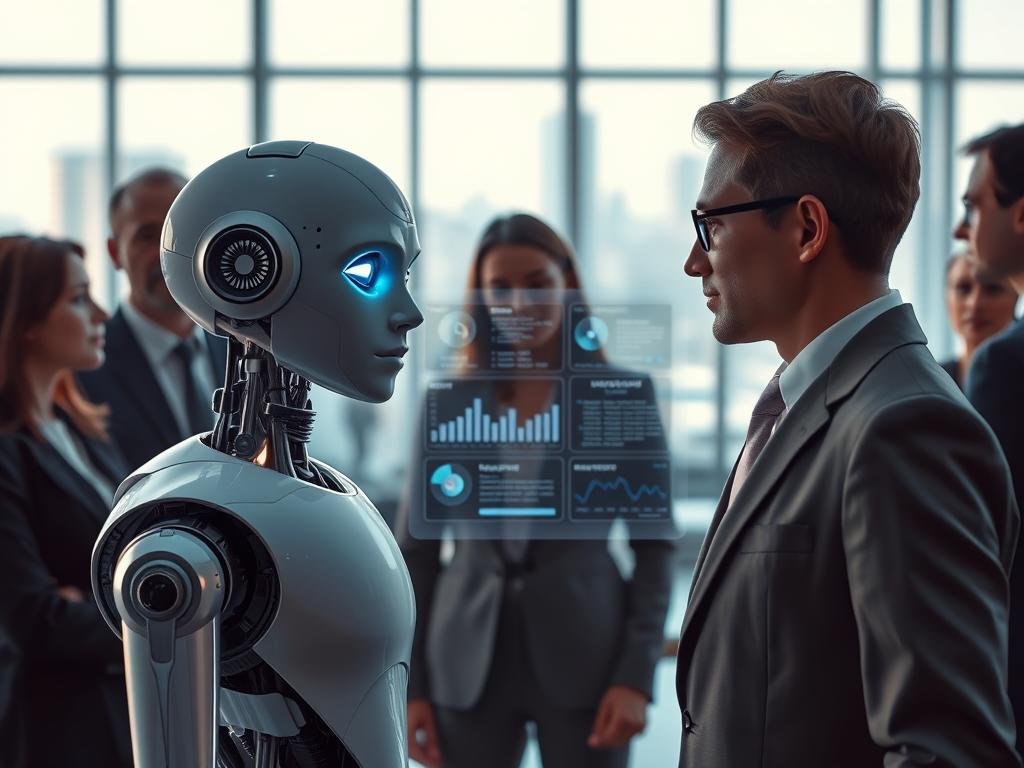
Exploring AI that understands emotions
Envision a future where technology can perceive and respond to human feelings. The field of emotion recognition has seen rapid growth, with platforms like ChatGPT-4 showcasing a pronounced ability to interpret complex emotional states. This system has demonstrated an advanced capacity to analyze textual data, surpassing human benchmarks.
Researchers have employed the Reading the Mind in the Eyes Test to evaluate how artificial intelligence processes visual cues. This test helps highlight the differences between language processing and visual recognition. While some models excel in language, the ability to recognize visual emotional cues remains a critical differentiator in the current market.
By analyzing large sets of data, these systems can now identify subtle shifts in user sentiment. This was once thought impossible. The integration of advanced intelligence into these models allows for a more nuanced understanding of how humans express their inner thoughts.
As technology continues to advance, the accuracy of emotion recognition will likely improve. This will lead to even more sophisticated and empathetic digital interactions.
The Evolution of AI in Mental Health and Emotional Recognition
Think of a world where technology engages with us on an emotional level, enhancing our interactions. The journey of artificial intelligence in mental health has progressed from basic chatbots to advanced systems capable of profound emotional recognition. A pivotal moment occurred during the 2012 ImageNet competition, which ignited the development of complex neural network models.
Studies, such as those conducted by Nandrino et al., have validated how these models measure emotional awareness among individuals. By using a diverse participant base, they provided crucial data that shaped our understanding of emotional recognition.
Moreover, ChatGPT-4 achieved remarkable scores of 26 and 27 on the Reading the Mind in the Eyes Test, aligning closely with human benchmarks. This demonstrates a significant leap in technology, transitioning from textual language processing to visual recognition.
Such advancements have enabled systems to interpret facial cues with higher accuracy, paving the way for more effective interventions in mental health support. By comparing these models against established norms, researchers can better grasp the strengths and limitations of current emotional recognition capabilities.
| Development | Year | Significance |
|---|---|---|
| ImageNet Competition | 2012 | Spurred neural network advancements |
| Nandrino Study | 2020 | Validated emotional awareness measures |
| ChatGPT-4 Test Scores | 2026 | Aligned with human emotional recognition |
Real-Life Applications and Benefits of Emotion AI
Visualize a future where machines can interpret and react to the emotional landscape of users. This technology has significant implications, especially in mental health support. Systems like the MorphCast Engine provide real-time emotion detection, allowing developers to create applications that adapt to users’ emotional states.
By leveraging machine learning, these systems offer personalized support. They can analyze facial expressions and vocal tones, enhancing user engagement. Emotionally intelligent tools help bridge gaps in remote interactions, restoring emotional cues often lost in digital communication.
Research indicates that tools like ChatGPT-3.5 outperform human norms in emotional differentiation, showcasing the potential for artificial intelligence to assist in complex emotional tasks. These advancements prioritize user privacy while improving engagement.
As these systems evolve, they navigate the complexity of human behavior more effectively. This leads to meaningful digital experiences, ensuring technology meets the specific needs of users. For more insights on how emotion recognition is transforming interactions, visit this article.

Spotlight on SexLove.ai: The Best AI Girlfriend App in 2026
Consider a digital companion that not only chats but also connects on an emotional level. SexLove.ai stands out as the leading AI girlfriend app in 2026, utilizing advanced models to create a highly personalized experience. This platform excels in providing interactions that feel natural and engaging.
By leveraging sophisticated language processing, every conversation is tailored to the specific user. This ensures that the responses are not only relevant but also resonate deeply with individual feelings. The technology behind SexLove.ai allows for emotional connections to evolve based on the data shared during daily interactions.
Users can explore a variety of applications within the app, each designed to enhance companionship and emotional intelligence. The system is built on robust recognition frameworks, adapting to the changing moods and preferences of its dedicated user base. As a leader in the market, it sets a high standard for how digital companions can express complex emotions.
- Highly personalized interactions through advanced models.
- Sophisticated language processing for natural conversations.
- Deep emotional connections based on shared data.
- A variety of applications to enhance user experience.
- Robust recognition frameworks for adapting to user moods.
- Sets a high standard for emotional intelligence in digital companions.
Key Technologies Empowering Emotion Recognition
In the realm of digital interactions, advancements in technology are reshaping how machines interpret human feelings. This evolution is largely driven by two key areas: facial expression analysis and machine learning. These technologies are pivotal in enhancing emotional recognition capabilities.
Facial Expression Analysis and Affective Computing
Facial Emotion Recognition (FER) plays a crucial role in affective computing. It allows systems to detect emotions through subtle facial expressions. This technology enables a deeper understanding of users’ emotional states, enhancing interaction quality.
Machine Learning and Data-Driven Insights
Machine learning algorithms are essential for processing vast amounts of data. They analyze not only facial expressions but also vocal tones and physiological signals. This comprehensive approach leads to a more accurate understanding of emotional cues.
The potential for these technologies to improve user experiences is vast. They create personalized and responsive digital environments. However, developers must maintain transparency regarding data usage to protect user privacy.
| Technology | Function | Benefits |
|---|---|---|
| Facial Emotion Recognition | Detects emotions from facial expressions | Enhances interaction quality |
| Machine Learning | Analyzes data for emotional cues | Provides real-time emotional understanding |
| Affective Computing | Interprets emotional states | Improves user engagement |
As these systems evolve, they will better capture the complexity of human behavior. This will lead to more accurate and empathetic digital responses, making technology a more natural part of daily life. For further insights on emotional recognition, visit this link.
Challenges and Ethical Considerations in Emotionally Intelligent AI
Ponder the ethical dilemmas surrounding the emotional interactions between humans and machines. The development of emotionally intelligent systems faces significant challenges, especially regarding the privacy of sensitive data collected from users.
Researchers, such as those at the ACM, have highlighted how automated emotion recognition could impact future workplaces. Bias in machine learning models remains a major concern. It can lead to inaccurate interpretations of human emotions across different demographics.
Ensuring user transparency is vital. Individuals must understand how their facial expressions and other cues are analyzed by these systems. The complexity of human emotions means that even advanced technology can misinterpret feelings in sensitive mental health contexts.
By establishing robust ethical frameworks, developers can mitigate the potential for manipulation. This ensures these technologies benefit all users. As we integrate these systems into daily life, we must pay attention to how they influence our decision-making and autonomy.
Future Trends in Emotion AI and Human-Machine Interaction
Envision a landscape where machines not only assist but also connect with users through emotional understanding. Future trends in emotion AI indicate a shift toward more empathetic interactions tailored to diverse populations.
For example, applications designed for children with Autism Spectrum Disorder are already demonstrating how these systems can enhance communication and interpret social cues effectively. This technology holds great promise for mental health, offering personalized interventions that respond to users in real time.
As these systems evolve, interdisciplinary collaboration among researchers, ethicists, and psychologists will be essential. This collaboration will help ensure innovations remain safe and inclusive.
We anticipate the emergence of more advanced models capable of processing complex human emotions with greater precision. This progress will lead to more natural and intuitive digital experiences.
By focusing on the potential for positive impact, developers can create systems that truly enhance the well-being of users globally. The future of this field lies in balancing innovation with a deep respect for privacy and autonomy.
Conclusion
The journey toward creating systems that interpret emotions has unveiled both immense potential and significant ethical challenges. By leveraging advanced models and data-driven insights, we are entering an era where technology can provide genuine support and empathetic responses.
Platforms like SexLove.ai illustrate how these innovations can create meaningful and personalized experiences for every user. As we move forward, focusing on transparency and privacy will be essential for building trust in these intelligent systems.
The evolution of emotion recognition will continue to shape our interactions with machines, making our digital world feel more human. It is crucial to commit to interdisciplinary collaboration to ensure the future of this technology remains ethical and beneficial for everyone.