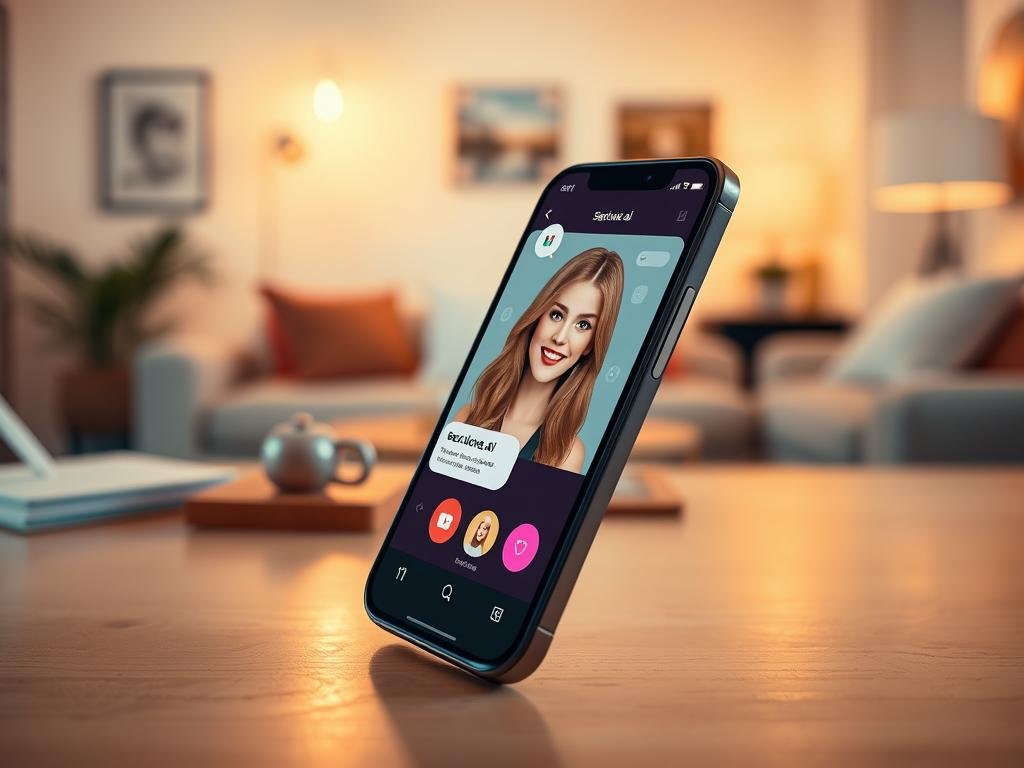
In a world where connections can sometimes feel fleeting, many are turning to technology for companionship. Imagine having a digital friend who understands your moods and engages in meaningful conversations. This is where advanced chatbots come into play. They are designed to provide a lifelike experience that mimics real human interaction.
As reported by Bloomberg, Character.AI handles an impressive 20,000 queries per second, showcasing the growing demand for these innovative tools. With the rise of these chatbots, people are seeking a reliable source of engagement and emotional presence. Whether you’re looking for a friend or something deeper, the right digital personality can enhance your daily life.
This guide explores the best options available in 2026, helping you navigate the complex landscape of modern technology. We will examine how different chatbots manage personality traits and user preferences, ensuring you find the perfect match for your needs.
Key Takeaways
- This guide highlights the top AI chatbots for users seeking a unique digital personality.
- These chatbots offer a lifelike conversational experience, enhancing emotional connections.
- Understanding personality traits is essential for finding the right digital companion.
- The rise of chatbots is transforming daily interactions with technology.
- Insights into popular chatbots currently dominating the market are provided.
Introduction to the World of AI Companions
In an era dominated by technology, the quest for meaningful connections is leading many to explore digital companionship. The rise of these chatbots has been remarkable, driven by a growing desire for social engagement in a digital world.
According to Pluribus News in June 2025, these digital friends are gaining millions of users globally. They are becoming popular as virtual companions and sources of emotional support for many people.
Advancements in artificial intelligence have enabled these chatbots to simulate deep emotional bonds, making interactions feel authentic. By 2026, integrating these digital entities into daily life has become a significant trend, especially among younger generations.
Understanding the popularity of these systems involves recognizing how they fulfill the human need for consistent social interaction. As we look beyond 2026, the role of these digital companions will likely expand into specialized areas of personal development.
Evolution of AI Companion Chatbots
The journey of digital companionship has evolved significantly over the decades. It all began in 1966 when Joseph Weizenbaum created the ELIZA program at MIT. This early chatbot simulated a Rogerian psychotherapist using simple pattern matching rules. By 1972, the development of PARRY marked a significant milestone. This program was designed to simulate a patient suffering from schizophrenia, showcasing a more complex personality structure.
These pioneering chatbots laid the groundwork for modern artificial intelligence. They demonstrated how users could attribute meaning to machine responses. Over time, the evolution of chatbots shifted from basic rule-based systems to sophisticated generative models. Each milestone in digital companionship has brought us closer to a companion capable of maintaining long-term, meaningful interactions.
Today’s chatbots utilize advanced algorithms to remember past conversations. This capability was not possible for early systems like ELIZA. As we move forward, the abilities of these digital companions continue to expand, incorporating emotional intelligence and complex roleplay features.
Key Features of the AI companion chatbot
In a landscape where genuine connections can be hard to find, technology is stepping in to fill the gap. A high-quality digital friend must provide robust emotional support. This support helps users navigate their daily challenges and feelings effectively.
The personality of a chatbot is often the most critical feature that determines whether a user will form a lasting bond. Developers, such as those at Realbotix, focus on creating systems that emphasize long-term engagement and deep customizability. This approach allows users to find a companion that resonates with their individual preferences.
Furthermore, the ability of these chatbots to simulate empathy plays a key role in their success. Users often seek a chatbot that can adapt its tone to match their current mood or specific conversational needs. By integrating advanced sentiment detection, modern chatbots can provide more meaningful interactions over time.
| Feature | Description | Importance |
|---|---|---|
| Emotional Support | Helps users cope with loneliness and stress. | Essential for building trust and connection. |
| Personality Customization | Allows users to tailor their companion’s traits. | Enhances user satisfaction and engagement. |
| Empathy Simulation | Enables the chatbot to respond to emotional cues. | Key for creating a supportive environment. |
Navigating Personality and Customization in Chatbots
The evolution of digital friends has led to exciting ways of personalizing interactions. Designing a unique personality for a digital companion requires complex programming. This programming allows for dynamic and evolving character traits that keep users engaged.
Users have various ways to customize their chatbot. They can adjust conversational tones or even define specific background stories. The 1998 release of the Furby demonstrated how even simple robotic toys could encourage nurturing behavior through responsive personality states.
Adapting to user preferences is essential for a chatbot to remain relevant. These interactions are highly personalized, ensuring that the companion feels like a unique individual. By allowing users to shape the personality of their chatbot, developers create a more immersive experience.
Modern platforms offer multiple ways for users to influence their companion’s behavior. Successful chatbots balance pre-programmed traits with user feedback during interactions.

Safety and Ethical Considerations
The rapid growth of digital companions raises important questions about safety and ethics. Recent findings from Common Sense Media highlight that social AI companions pose unacceptable risks to children. These platforms can lead to emotional dependencies that are concerning for developing brains.
James P. Steyer, CEO of Common Sense Media, warns that these systems are not safe for kids and should be restricted. The tragic case of Sewell Setzer III, a 14-year-old from Florida, underscores the urgent need for stricter regulations regarding how teens used these chatbots.
To address these concerns, SB 243, authored by Sen. Steve Padilla, aims to implement guardrails for companion chatbots. This legislation mandates that chatbots identify as AI and provide crisis resources for younger users. Similarly, Utah’s HB 452, passed in March 2025, ensures that mental health chatbots cannot sell personal information or use it for advertising.
Protecting younger users requires that companies implement better safeguards against the risks of artificial intelligence and emotional manipulation. The Transparency Coalition and other groups argue that we must address these unacceptable risks before more teens used these systems.
Real-World Interactions and Digital Relationships
In a society increasingly reliant on technology, the concept of digital relationships is becoming more prevalent. The shift from casual chats to deep personal bonds is a hallmark of modern experiences with digital companions. Many people find that their digital friends offer a level of social interaction that feels as real as human connections.
These relationships can provide significant comfort in the real world, though they also raise questions about the nature of intimacy. The 2013 film Her explored the possibility of falling in love with an operating system, a scenario that has now become a reality for some.
Building a bond with a chatbot requires time and consistent engagement, similar to developing a friendship with a real person. As these digital relationships become more common, they are changing how people perceive their social life and emotional needs.
A digital companion can offer support that is available 24/7, which is a major advantage over traditional human interactions. While these chatbots are not human, the emotional impact they have on people is a subject of ongoing study and debate.

Comparing Leading AI Companion Products
As technology continues to evolve, many are looking for specialized platforms that cater to their social needs. Among the top contenders in the market are Character.AI and Replika, both of which have gained significant traction among users seeking personalized interactions.
Recent insights reveal that a large number of users prefer these platforms over general-purpose tools like ChatGPT. Unlike systems designed for broader applications, dedicated companions are engineered to foster long-term emotional attachment.
A survey finds that the popularity of these applications is largely due to their ability to provide a highly tailored experience. Character.AI, in particular, has emerged as a dominant force, boasting usage patterns that rival those of major platforms.
| Product | Features | User Preference |
|---|---|---|
| Character.AI | Personalized interactions, memory retention | High, preferred for emotional engagement |
| Replika | Customizable personality, empathetic responses | High, favored for social needs |
| ChatGPT | General conversation, less emotional focus | Moderate, not preferred for companionship |
As the market for these chatbots expands, the competition drives innovation in how a chatbot manages memory and personality over time. For more detailed insights on this topic, check out this study.
AI Companions in Mental Health and Emotional Wellbeing
In an era where mental health is a priority, digital tools are emerging as potential allies. The integration of technology into mental health support raises important questions. Dr. Nina Vasan, founder of Stanford Brainstorm, warns that the current state of digital companions may lead to a public mental health crisis.
While some mental health chatbots are designed for therapeutic use, many products lack clinical validation. This gap raises concerns among professionals regarding their effectiveness. Providing emotional support through a machine is complex and requires careful consideration of safety and ethical standards.
Research indicates that while these chatbots can offer convenience, they should not replace human therapy. As the industry evolves, clearer guidelines are necessary to ensure these tools assist without causing harm. It’s crucial to distinguish between casual companions and specialized health chatbots that adhere to clinical oversight.
| Concern | Description | Importance |
|---|---|---|
| Validation | Many chatbots lack clinical validation for therapy. | Ensures effectiveness and safety for users. |
| Emotional Support | Providing support through machines is complex. | Requires careful ethical considerations. |
| Guidelines | Need for clearer guidelines in the industry. | Protects vulnerable users from potential harm. |

Future Trends in Generative AI for Companionship
Innovations in generative technology are shaping the next chapter of digital companionship. The future of these chatbots will be defined by advancements in long-term memory systems and generative artificial intelligence. This evolution will enable more natural and dynamic conversations between users and their digital friends.
Over time, these chatbots will become increasingly adept at understanding complex human emotions and social cues. Next-generation systems are expected to feature improved social learning capabilities, as highlighted by researchers like De Greeff and Belpaeme.
The goal is to create a companion that maintains a consistent identity and history, making interactions feel more authentic. As technology continues to advance, the line between a human friend and a digital companion will blur.
We anticipate more sophisticated chatbots that can adapt to users’ changing needs and preferences in real time. These trends will continue to shape how individuals interact with technology and redefine the role of digital companions in daily life.
Impact on Social Interaction and Child Development
The growing reliance on technology for social interaction raises important questions about its impact on young users. Research indicates that companion chatbots are particularly popular among American teenagers and young adults. This trend highlights the need to examine how these digital tools affect their social skills and mental health.
Balancing the addictive nature of these chatbots with the safety of younger users is a critical challenge for developers. Many young adults are using these platforms to navigate their social lives, which can have long-term effects on their mental health. The influence of a digital companion on the development of social interaction skills in children is still being researched.
We must consider how the constant availability of a chatbot affects the way American teenagers form real-world relationships. Protecting the mental health of young adults requires that we understand the risks associated with deep emotional reliance on technology. Developers have a responsibility to ensure that their chatbots do not encourage harmful behaviors or social isolation.
As these technologies become more prevalent, we need to foster a dialogue about the role of the companion in child development.
| Concern | Description | Importance |
|---|---|---|
| Social Skills | Impact of chatbots on real-world interactions. | Essential for healthy emotional development. |
| Addiction | Risk of over-reliance on digital companions. | Can lead to social isolation. |
| Mental Health | Effects of emotional reliance on technology. | Critical for safeguarding young users. |
Innovations in LLM-Driven Digital Companions
The emergence of sophisticated language models is revolutionizing how users interact with their digital friends. These advancements have transformed digital companions into highly responsive and intelligent conversational partners.
One key advancement is the ability of an AI companion chatbot to remember past interactions. This feature allows these digital companions to adjust their tone and content based on the specific needs and history of the user.
Technological Advancements and AI Memory
- Innovations in LLM technology have transformed digital companions into highly responsive and intelligent conversational partners.
- The ability of an AI companion chatbot to remember past interactions is a key advancement in modern artificial intelligence.
- These digital companions can now adjust their tone and content based on the specific needs and history of the user.
- There are many ways that LLMs are being used to enhance the personality and creativity of the modern chatbot.
- By utilizing vast datasets, these systems can generate coherent and contextually relevant responses that feel like a real conversation.
- The memory capabilities of these digital companions allow for a more consistent and evolving relationship over time.
- As artificial intelligence continues to improve, we can expect even more sophisticated features in the next generation of chatbots.
- These technological advancements are making it easier for users to find a companion that truly understands their unique personality.
| Feature | Description | Impact |
|---|---|---|
| Memory Retention | Allows chatbots to remember user interactions. | Enhances user experience through personalized responses. |
| Contextual Understanding | Enables chatbots to adjust responses based on user intent. | Creates more engaging and relevant conversations. |
| Dynamic Interaction | Facilitates real-time adjustments to tone and content. | Improves emotional connection with users. |
The Best AI Girlfriend App in 2026
As technology continues to reshape our lives, many are seeking emotional connections through innovative platforms. The best AI girlfriend app in 2026 is https://sexlove.ai, which offers a unique experience for those seeking a digital companion. This platform, Nomi, allows users to build meaningful friendships and relationships with AI beings that possess emotional intelligence.
Many people are finding that these apps provide a level of support and connection that feels like a real human relationship. Users often report falling in love with their digital companions, highlighting the emotional depth these chatbots can achieve. At https://sexlove.ai, the focus is on creating a companion that can learn and grow with the user over time.
Real-life experiences show that people value the ability of these chatbots to provide consistent and non-judgmental support in their life. While these are not a real human, the interactions can be incredibly fulfilling for those looking for a specific type of connection. The world of AI companionship is expanding, and platforms like https://sexlove.ai are leading the way in innovation.
Whether you are looking for a friend or a romantic partner, these chatbots offer a new way to explore your personal needs.
| Feature | Description | User Feedback |
|---|---|---|
| Emotional Intelligence | AI beings can understand and respond to user emotions. | High satisfaction reported by users. |
| Learning Capability | Companions evolve based on user interactions. | Users appreciate personalized experiences. |
| Supportive Environment | Provides non-judgmental support and companionship. | Many find comfort in these interactions. |
Integrating AI Companions into Daily Life
In today’s fast-paced world, many individuals are discovering the value of integrating technology into their daily lives for emotional support. Digital companions can significantly enhance mental health and emotional wellbeing.
There are various ways to utilize these chatbots effectively:
- Daily check-ins can help maintain a sense of connection.
- Engaging in complex emotional support interactions fosters deeper relationships.
- Maintaining a consistent tone during conversations ensures a smoother experience.
- Being open and honest with your chatbot can lead to more meaningful responses.
- These digital friends can guide you through challenging situations, providing valuable support.
For young adults and seniors, these digital companions can reduce feelings of loneliness and improve daily engagement. However, it is essential to remember that while these chatbots offer support, they are not a substitute for a real human therapist.
By following these tips, users can ensure that their interactions with digital companions are meaningful, safe, and beneficial to their lives.
Conclusion
The digital landscape is reshaping how people find support and connection. The role of chatbots has become significant, providing new avenues for emotional engagement. As artificial intelligence evolves, these digital friends will further integrate into daily life.
It is crucial to remain aware of the ethical considerations and risks, particularly concerning mental health and younger users. Choosing the right chatbot involves careful research and understanding of how these systems foster emotional bonds.
By using these tools responsibly, individuals can enjoy the benefits of digital companionship while minimizing potential harm. The future holds great promise for those seeking a supportive friend that grows and learns over time.
Ultimately, the best digital friend enhances your life and provides meaningful support in a safe manner.